
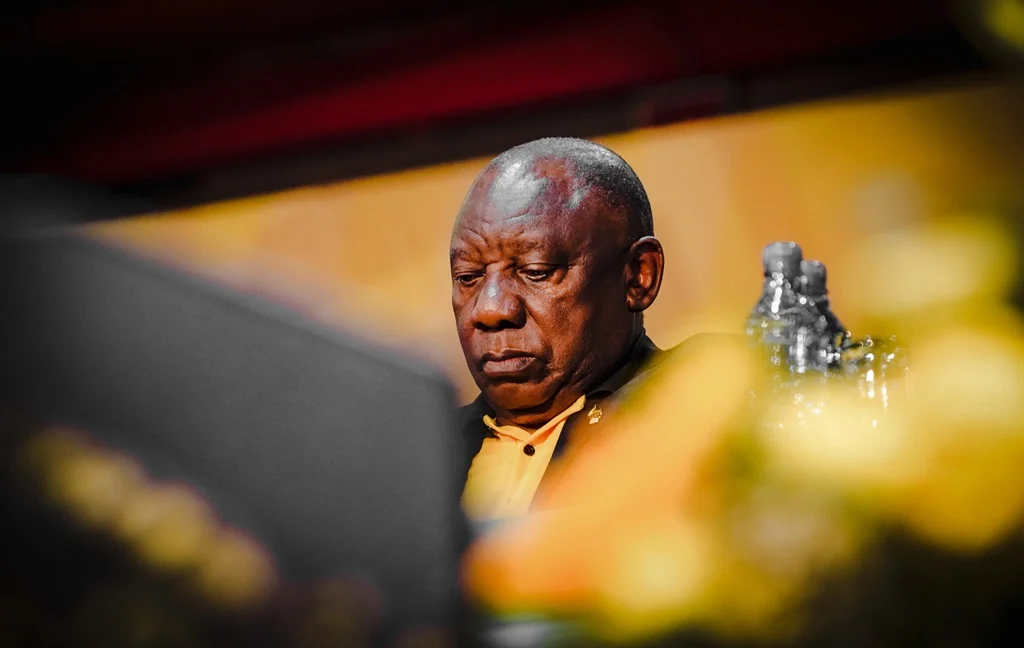
The African National Congress (ANC) could face significant challenges in influencing the upcoming impeachment inquiry into President Cyril Ramaphosa, according to political analyst Lukhona Mnguni.
On Friday, the Constitutional Court of South Africa directed Parliament to establish an impeachment committee after a Section 89 independent panel found that Ramaphosa may have breached his oath of office.
[Ramaphosa Says He Is Not Above The Law After ConCourt Orders Impeachment Process]
The case centres on Ramaphosa’s conduct following the 2020 theft of foreign currency from his Phala Phala Farm.
The Economic Freedom Fighters (EFF) and the African Transformation Movement (ATM) approached the apex court, arguing that Parliament’s handling of the Phala Phala matter was unconstitutional.
In August 2022, the ANC relied on its parliamentary majority to block the adoption of the Section 89 panel report, despite findings that suggested Ramaphosa had a case to answer.
Constitutional Court Orders Section 89 Impeachment Committee
The panel concluded that Ramaphosa may have committed a serious violation by placing himself in a potential conflict of interest between his official responsibilities and his private business interests.
The Constitutional Court’s ruling now compels Parliament to proceed with a formal impeachment inquiry, reopening one of the most politically sensitive controversies of Ramaphosa’s presidency.
ANC No Longer Holds Majority In Parliament
Mnguni said the ANC’s reduced representation in Parliament means the party will not be able to dominate the impeachment committee as it did in the past.
“It means the ANC can’t dominate the impeachment committee. So, they would be in the minority in terms of representation of members in the impeachment committee,” said Mnguni.
This shift in parliamentary arithmetic could make the inquiry more competitive and unpredictable.
Two-Thirds Majority Needed To Remove President Ramaphosa
SEE TODAY'S TOP HEADLINES ACROSS LEADING PUBLICATIONS
Although the impeachment committee will investigate the allegations and make recommendations, removing a sitting president remains a high hurdle.
A two-thirds majority in Parliament is required to impeach a head of state, meaning opposition parties would need broad support to secure Ramaphosa’s removal.
