
Western Cape police have warned that individuals involved in violent demonstrations will be dealt with firmly following deadly unrest in Mossel Bay that claimed the lives of two Mozambican nationals.
The warning comes after approximately 55 shacks were destroyed by fire in the Asla Park informal settlement on Friday evening. The incident is believed to have occurred during protests targeting undocumented foreign nationals.
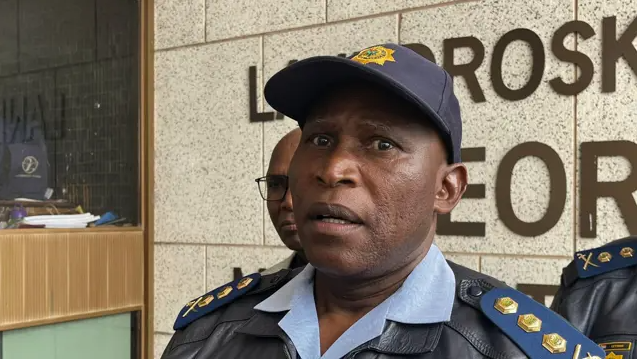
Western Cape Police Commissioner Thembisile Patekile visited the affected area on Tuesday and said law enforcement officers remain deployed to maintain order and prevent further violence.
“We remain on the ground to monitor the situation with other role players with the objective to ensure calm and peace and stability is restored in this area.”
Mossel Bay Unrest Prompts Increased Police Presence
Patekile said police continue to monitor developments closely alongside other stakeholders to ensure stability returns to the community.
Authorities have maintained a heightened presence in the area following the destruction of property and the deaths linked to the unrest over the weekend.
Police Clarify Circumstances Around Teenager’s Murder
The police commissioner also addressed the death of 18-year-old Nhlamulo Sambo, a South African citizen from Giyani in Limpopo.
According to Patekile, the teenager’s killing is unrelated to the violence that erupted between Friday night and Saturday morning.
He said Sambo was allegedly stabbed while attempting to steal items from a shack, and investigators are currently searching for the suspect.
[One Dead And Six Injured In Alexandra Shooting After Street Dispute Turns Deadly]
SEE TODAY'S TOP HEADLINES ACROSS LEADING PUBLICATIONS
“So it is not related to what has happened on Friday night into Saturday morning. That one is separate, and we know who the suspect is. All we have to do is we are trying to find him; we are working around the clock as we speak now, looking for the suspect in this last murder of the 18-year-old schoolboy.”
Police said efforts to locate the suspect remain ongoing as officers continue their investigation.
