
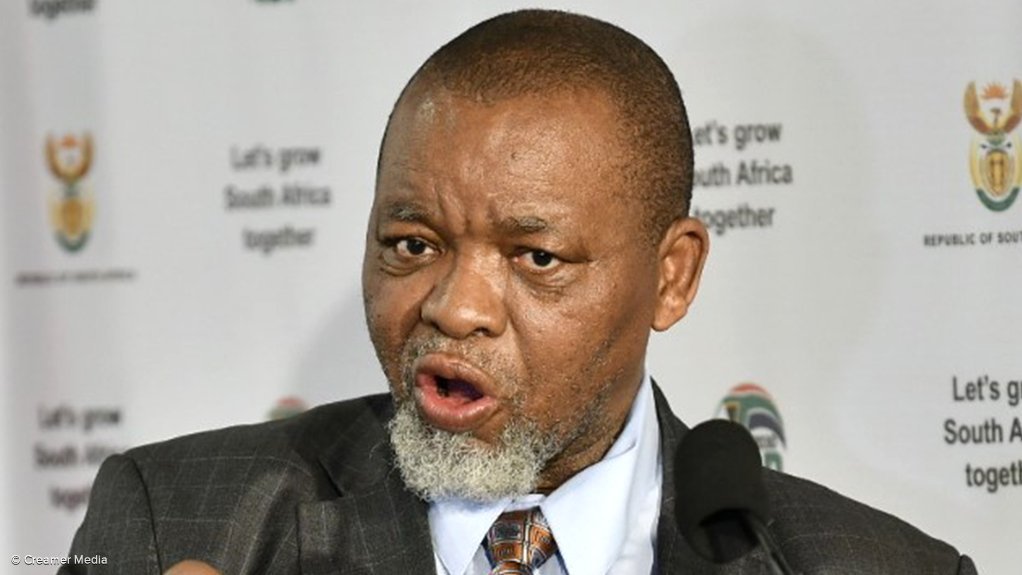
Political parties in Parliament are pressing Mineral and Petroleum Resources Minister Gwede Mantashe to move more quickly on restructuring South Africa’s fuel price system as escalating global tensions drive up international oil prices.
Addressing the National Assembly on Tuesday during the debate on his department’s R2.86 billion budget vote, Mantashe said the government plans to visit the Strait of Hormuz to gain first-hand insight into how disruptions along the critical shipping route are influencing fuel costs.
Lawmakers warned that higher fuel prices are intensifying financial strain on South African households, many of which also rely on paraffin for cooking and heating.
Parliament Pushes For Urgent South Africa Fuel Price Overhaul
Mantashe assured MPs that, despite global instability and surging oil prices, South Africa would not face fuel shortages.
However, he argued that government officials need to observe the situation in the Strait of Hormuz directly.
[Cachalia Tables R127bn Police Budget As Madlanga Commission Arrests Continue]
“We’ve undertaken to visit the strait to Hormuz to see what is magic about this strait, this small passage of oil that destabilises the world.”
The strategic waterway is one of the most important oil transit routes globally, and any disruption there has immediate implications for international crude prices.
Opposition Criticises Strategic Fuel Stock Sale And High Fuel Levies
The Economic Freedom Fighters and ActionSA criticised the government’s decision, taken more than a decade ago, to dispose of South Africa’s strategic fuel reserves.
SEE TODAY'S TOP HEADLINES ACROSS LEADING PUBLICATIONS
Athol Trollip, an ActionSA MP, said: “At a time when many are already struggling with the cost of living, the government has failed to cushion and secure our fuel reserves and cushion South Africans from rising prices to provide long-term energy certainty.”
Wayne Thring of the African Christian Democratic Party said fuel levies, which add more than R6 to every litre of fuel, should be reassessed to better reflect the economic realities facing ordinary South Africans.
