
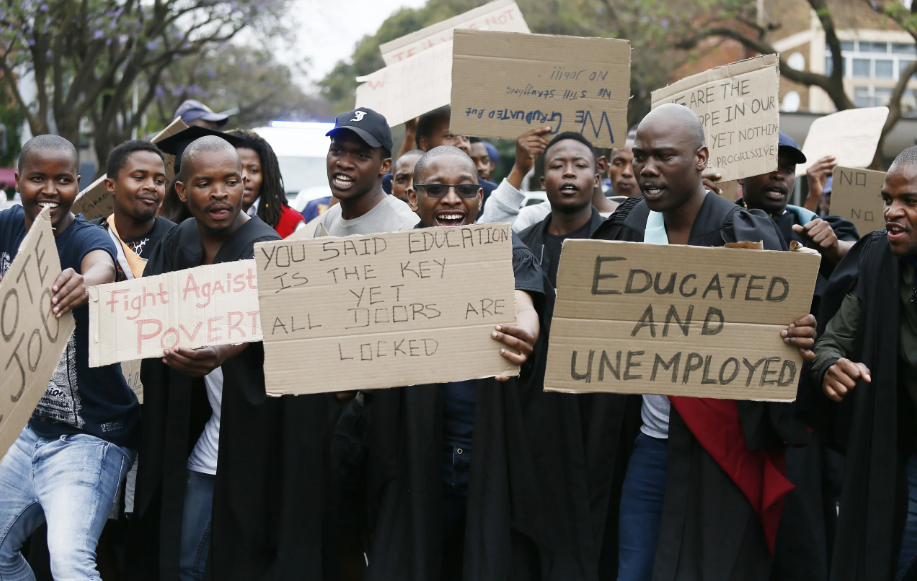
South Africa’s unemployment rate increased to 33.6% in the second quarter of 2026, up from 32.7% recorded in the first three months of the year, according to Statistics South Africa (Stats SA).
The latest figures show that the number of unemployed people increased by 345,000 during the quarter to reach 8.5 million. At the same time, employment declined by 16,000, leaving 16.7 million people in work.
The labour force expanded by 329,000 people over the three months, adding further pressure to a job market that recorded a decline in employment during the period.
South Africa Employment Falls As Labour Force Expands
The latest Quarterly Labour Force Survey figures show that the increase in the labour force was not matched by employment growth.
While more people entered the labour market, the number of people with jobs fell slightly. The result was a rise in the official unemployment rate from 32.7% in the first quarter to 33.6% in the second.
Stats SA also recorded a decline in the number of discouraged work-seekers during the quarter.
The number of people in this category dropped by 227,000 to 3.7 million.
Expanded Unemployment Rate Remains Above 46%
Despite the fall in discouraged work-seekers, wider measures of labour underutilisation remained high.
The combined rate of unemployment and time-related underemployment increased to 36.6% during the second quarter.
[Four Accused Return To Court For Bail Hearing After Jeffreys Bay Jewellery Robbery]
When unemployment, underemployment and people who are available to work but are not currently seeking employment are included, the rate reached 46.3%.
This means that almost half of the country’s extended labour force was not being fully utilised in the labour market during the quarter.
Economist Points To Fuel Prices And Interest Rate Hike
Independent economist John Loos pointed to several factors that may have affected job creation sentiment during the period.
“On the one hand, we had a little bit of lift in GDP growth in the first quarter, but on the other hand, in the second quarter, we had inflation surging because of fuel price surging and then, of course, we had the first interest rate hike at the May MPC [Monetary Policy Committee meeting.”
SEE TODAY'S TOP HEADLINES ACROSS LEADING PUBLICATIONS
The second-quarter labour market figures come as South Africa continues to face the challenge of creating enough jobs for people entering the workforce.
With the labour force growing while employment declined, the latest figures put renewed focus on the pace of job creation and the economy’s ability to absorb new workers.
