
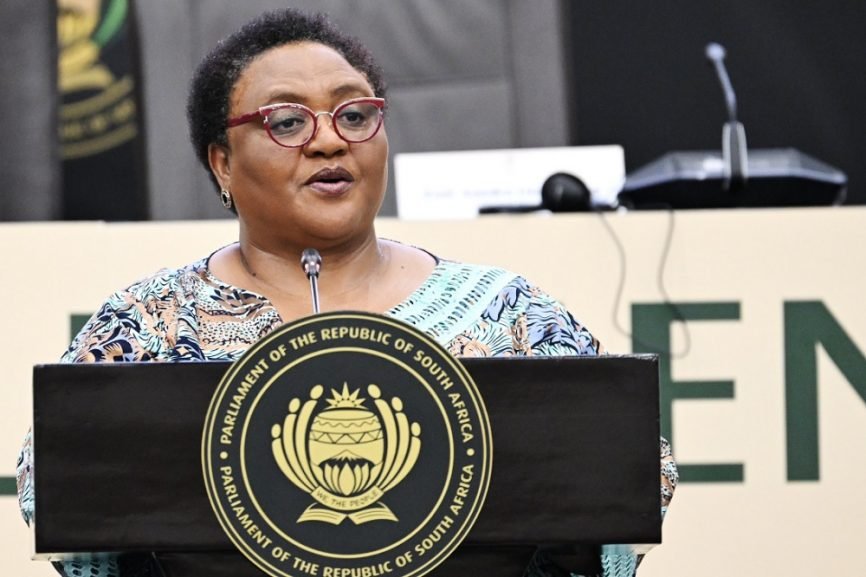
National Assembly Speaker Thoko Didiza has instructed political parties to continue negotiations on two unresolved issues relating to revised rules governing the Section 89 impeachment process.
The Rules Committee had been expected to approve an updated framework on Wednesday that would guide the work of the Impeachment Committee. The committee is set to deal with matters concerning President Cyril Ramaphosa’s conduct following the theft of US dollars from his Phala Phala farm.
However, disagreements among parties have stalled progress, with differing views emerging on who should be eligible to serve on the committee and whether a President’s indirect conduct should be considered grounds for impeachment.
Section 89 Impeachment Committee Membership Remains Contentious
One of the major sticking points centres on a proposal by the DA, tabled during a Rules Subcommittee meeting last week, that only “fit and proper” Members of Parliament should qualify to serve on the Impeachment Committee.
Parliament’s legal advisers have recommended that such a requirement should first be subjected to public consultation before being incorporated into the rules.
The debate has largely focused on whether impeached judge and MK Party MP John Hlophe should be permitted to sit on the committee.
ActionSA parliamentary leader Athol Trollip has joined the ANC and Freedom Front Plus in supporting the proposal.
“I think this is what the public expects of Members of Parliament for us to do the right thing, and to be fit and proper.”
Debate Continues Over Scope Of Presidential Impeachment Investigations
Another point of disagreement concerns the extent of the committee’s powers when investigating a President.
ATM MP Thandiswa Marawu has proposed that the committee should not limit its investigations solely to the President’s direct actions.
Didiza, however, warned that broadening the scope could have significant consequences.
[Joburg R97bn Budget Approved By Treasury, Mayor Morero Tells Parliament]
SEE TODAY'S TOP HEADLINES ACROSS LEADING PUBLICATIONS
“If a minister appointed by the President commits gross misconduct, will you impeach the President for that?”
With no agreement reached on the disputed provisions, Didiza has referred the matters back to the Rules Subcommittee. The subcommittee is expected to make a final determination before the revised rules are returned to the Rules Committee for adoption.
