
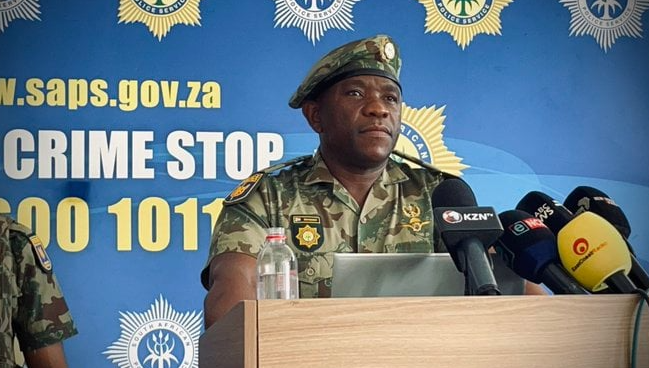
A year has passed since KwaZulu-Natal Police Commissioner Lt-Gen Nhlanhla Mkhwanazi delivered a media briefing that triggered one of the most significant crises in the history of the South African Police Service (SAPS).
His allegations of corruption and interference at the highest levels of policing sparked nationwide concern over the integrity of the country’s law enforcement institutions.
The briefing, held on July 6 last year, placed senior police officials under intense scrutiny and prompted a series of investigations, suspensions, arrests, dismissals and resignations. The developments have continued to unfold over the past 12 months, reshaping the leadership of SAPS and raising serious questions about accountability.
Central to Mkhwanazi’s claims was an allegation that then Police Minister Senzo Mchunu instructed the immediate disbandment of the Political Killings Task Team during a late-night intervention. He further alleged that more than 120 active investigation dockets were seized without the knowledge of National Police Commissioner General Fannie Masemola.
Police Corruption Allegations Trigger Major Leadership Shake-Up
The police corruption allegations have resulted in sweeping action against several senior SAPS officials. Numerous high-ranking officers have either been arrested, suspended, dismissed or have stepped down while investigations continue.
Among the most prominent developments was the suspension of National Police Commissioner General Fannie Masemola in April 2026. He was later arrested over allegations linked to the irregular awarding of a R228 million health tender.
Former Deputy National Police Commissioner Lieutenant General Shadrack Sibiya was also suspended before being arrested. He is being investigated over allegations relating to tender collusion and the alleged obstruction of political killings investigations.
Major General Richard Shibiri, who headed the SAPS Organised Crime Unit, was dismissed from his position. Brigadier Rachel Matjeng was also dismissed following internal disciplinary processes connected to her involvement in the controversial tender committee.
SAPS Corruption Fallout Expands Across Multiple Provinces
The SAPS corruption fallout has extended well beyond the country’s top leadership. Senior officers from specialised units and provincial divisions have also been implicated in the ongoing investigations.
Sergeant Fannie Nkosi remains suspended after being denied bail by the Pretoria High Court. Major General Busisiwe Precious Temba, who led Employee Health and Wellness, is also among those suspended.
[Madlanga Commission Hears Explosive WhatsApp Chats Allegedly Link Feroz Khan To SAPS Covid-19 Contracts]
Former KwaZulu-Natal Hawks head Major General Lesetja Senona resigned from his position. Gauteng Hawks head Major General Ebrahim Kadwa has been suspended together with Major General Thokozani N. Mathonsi.
The list also includes Lieutenant-Generals Dr Molefe Fani, Lineo Nkhuoa and Nonkululeko Edith Mavundla, all of whom have been suspended as part of the ongoing fallout.
Mkhwanazi Allegations Continue To Shape SAPS Accountability Debate
The impact of Mkhwanazi’s allegations continues to dominate discussions around policing and governance in South Africa. The investigations have widened to include officers across several ranks within SAPS.
Suspended brigadiers include Abraham Nkhwashu, Alpheus Thembinkosi Ngema, Patrick Nethengwe, Kirsty Jonker, Petunia Reabetsoe Lenono and Onica Ofentse Tlhoale. Colonels Nonjabulo Nomfundo Mngadi, Anton Paulsen and Natsenge Johannes Monyai have also been suspended.
SEE TODAY'S TOP HEADLINES ACROSS LEADING PUBLICATIONS
Captain Brian Neville Cartwright remains among the officers affected by the ongoing investigations. Together, the arrests, dismissals, suspensions and resignations represent one of the most extensive corruption-related shake-ups in the democratic history of the South African Police Service.
As investigations continue, the fallout from Mkhwanazi’s July 6 briefing remains one of the defining developments in South Africa’s policing landscape, with the long-term impact on public confidence and institutional reform still unfolding.
