
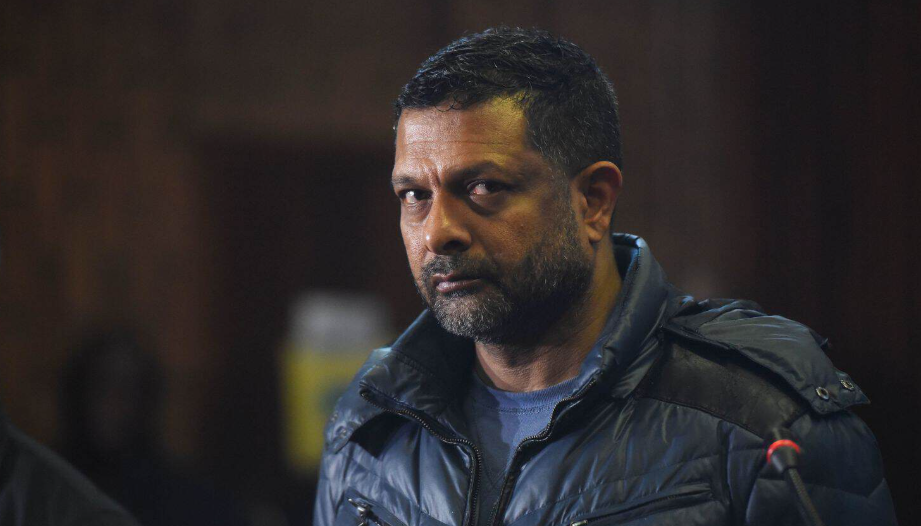
Crime Intelligence deputy head Major-General Feroz Khan’s attempt to delay his appearance before the Madlanga Commission has come under renewed scrutiny after evidence leader Advocate Adila Hassim raised concerns about the medical documentation submitted in support of his absence.
Khan was subpoenaed to testify before the commission on Tuesday over allegations relating to the manipulation of tenders and alleged influence over other law enforcement structures.
However, his lawyer, Mohamed Vally, told the commission that Khan had been admitted to hospital and requested that his testimony be postponed.
The evidence leaders did not oppose a postponement outright, but argued that Khan should undergo an independent medical assessment before the matter could be settled.
Disputed Medical Certificate Put Before Madlanga Commission
Hassim placed a disputed medical certificate before the commission and highlighted differences between the original document and a later version.
According to the evidence presented, Khan’s treating doctor initially issued a certificate dated May 22 indicating that Khan was expected to return to work on June 30.
A second certificate, submitted on August 20, allegedly moved the return-to-work date to June 27 and included a diagnosis of extreme stress and depression.
“There is already an incident of concern that we have brought to the commission’s attention in the answering affidavit because it concerned an incident of backdating and amending a medical certificate by Khan’s treating doctor,” Hassim said.
The information emerged from court papers filed in connection with Khan’s Labour Court challenge against his disciplinary inquiry. That challenge was dismissed on August 31 after the court found that it lacked jurisdiction.
According to an affidavit from the doctor who issued the original certificate, Khan’s son had approached him and asked for the document to be amended.
[Delft Police Constable Arrested For Corruption After Case Docket Goes Missing]
The doctor allegedly initially understood the request to relate to “some minor bureaucratic difficulties” and did not immediately seek further details.
The doctor later warned Khan’s son that altering the certificate could potentially amount to fraud if the original had already been submitted to SAPS.
The son allegedly then contacted Khan, who told him that the original certificate had not been submitted.
Hassim Challenges Account Of Feroz Khan’s Medical Records
Hassim disputed that version of events, telling the commission that SAPS had already received the medical certificate through Crime Intelligence head General Dumisani Khumalo.
She said Khumalo had requested additional information about Khan’s diagnosis, rather than asking for the dates on the certificate to be changed.
“The certificate had already been submitted,” Hassim said. “It was a lie.”
Vally questioned the relevance of the document, describing it as a “historical medical record” that had no connection to the shooting involving Khan.
The lawyer nevertheless faced arguments from the evidence leaders that Khan’s medical history, his continued absence from the commission and an outstanding statement made an independent assessment necessary.
Madlanga Rejects Unconditional Postponement
Commission chairperson Justice Mbuyiseli Madlanga was not persuaded by the submissions made on Khan’s behalf.
Madlanga declined to order Khan to undergo an independent medical examination, but also refused to grant the Crime Intelligence deputy an unconditional postponement.
SEE TODAY'S TOP HEADLINES ACROSS LEADING PUBLICATIONS
The commission’s handling of Khan’s absence follows growing scrutiny of the medical evidence being relied upon to explain why he has been unable to appear and testify.
Khan’s testimony remains outstanding as the commission examines allegations involving policing, law enforcement and alleged interference in state processes.
