
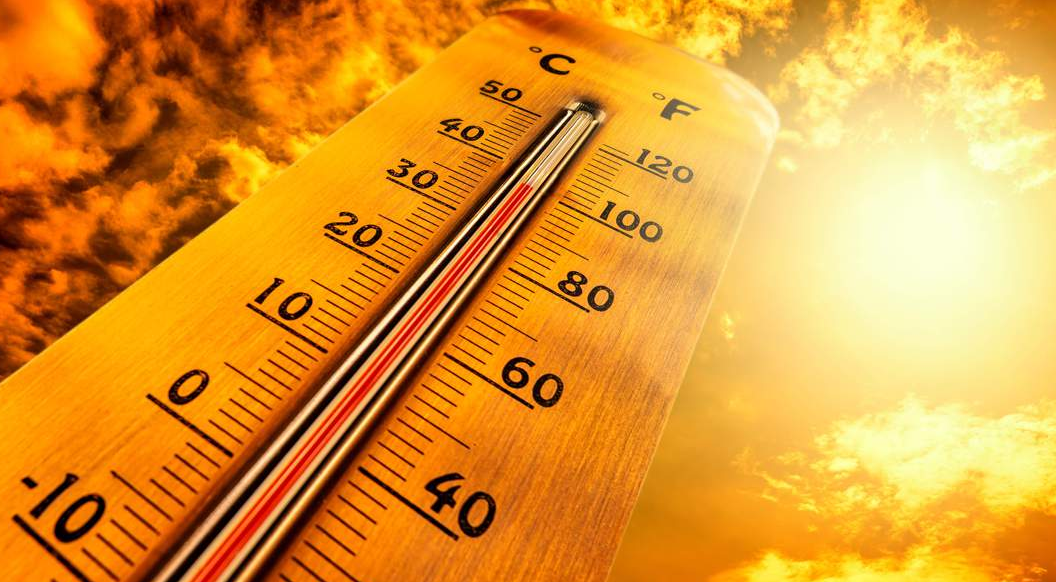
A strong El Niño has developed in the tropical Pacific and could strengthen significantly in the coming months, raising concerns about the weather conditions South Africa may experience during the summer rainfall season.
El Niño occurs when sea surface temperatures in the eastern and central tropical Pacific rise significantly above normal. A strong event is classified as temperatures more than 1.5°C above normal, while a very strong El Niño occurs when temperatures exceed 2°C above normal.
According to Olivier, current forecasts suggest Pacific Ocean temperatures could rise by more than 3°C above normal, potentially making the 2026/27 event an exceptionally strong one.
“Most El Niño events bring conditions of below-normal rainfall and above-normal temperatures to the southern African region.”
South Africa Faces Drier And Warmer Summer Forecast
Olivier pointed to the 1982/83 and 2015/16 El Niño events as examples of very strong events that coincided with widespread drought conditions across southern Africa.
However, he cautioned that the presence of El Niño does not guarantee drought throughout the region.
“The 1997/98 very strong El Niño event, for example, was associated with slightly above-normal rainfall over parts of South Africa’s summer rainfall region.”
The latest seasonal outlook from the South African Weather Service indicates that below-normal rainfall is the most likely scenario across most of South Africa between October and December 2026.
[Brown Mogotsi Denies ‘Uniform Ready’ Escape Plot As Fourth Bail Bid Continues]
Temperatures are also expected to be above normal over large parts of the country during the same period.
The forecast for November 2026 through January 2027 paints a similar picture, with warmer and drier conditions expected across much of South Africa.
El Niño Could Increase South Africa Heatwave Risk
The potential impact goes beyond rainfall, with the combination of a particularly strong El Niño and continued global warming raising concerns about more frequent and intense heatwaves.
Olivier said southern Africa has continued to warm since the 2015/16 very strong El Niño, an event that was associated with unprecedented heatwaves across the region.
“If the 2026/27 El Niño event brings the expected below-normal rainfall to southern Africa, it is likely that a high frequency of heatwaves will co-occur,” he said.
“These heatwaves have the potential to be severe,” Olivier stated.
SEE TODAY'S TOP HEADLINES ACROSS LEADING PUBLICATIONS
The combination of limited rainfall and higher temperatures could also increase pressure on water resources across the region.
However, Olivier stressed that uncertainty remains over the eventual strength of the El Niño event and exactly how its effects will be distributed across southern Africa.
