
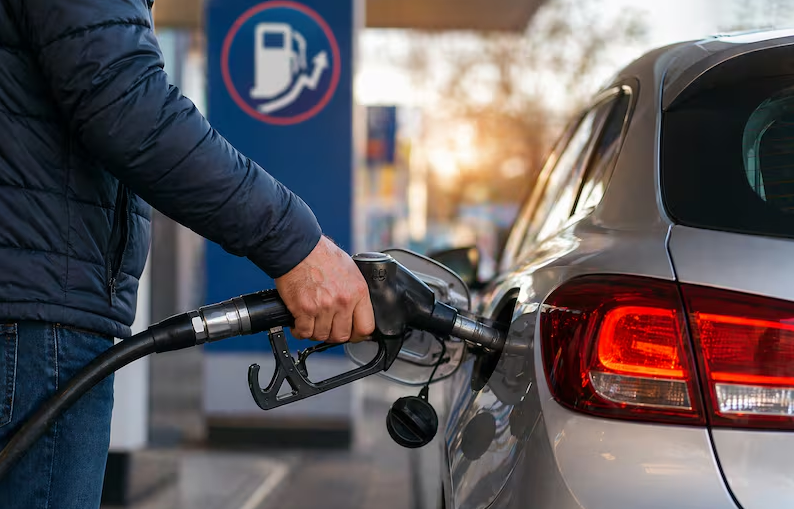
Motorists filling up with petrol will pay less at the pumps from Wednesday, 5 August 2026, after the Department of Mineral and Petroleum Resources (DMRE) announced a reduction of 52 cents per litre for both 93 and 95 octane petrol.
The latest monthly fuel price adjustment comes as international petrol prices eased during the review period, offering welcome relief for motorists after recent fluctuations.
Diesel users, however, are set to face significantly higher costs, with increases of more than R1.20 per litre, adding pressure on transport operators and industries that rely heavily on diesel-powered machinery.
Why Petrol Prices Are Falling In August 2026
According to the DMRE, the decrease in petrol prices was supported by softer international petrol prices and a decline in Brent Crude oil prices, which dropped from an average of $86.50 to just over $82 per barrel during the review period.
In contrast, diesel prices continued to rise because of tightening global supply. The department said international diesel prices remained under pressure due to supply shortages linked to the Russia-Ukraine war, which has restricted Russian diesel exports.
[Treasury Plans R10 Billion Fuel Price Buffer To Shield South Africans From Oil Market Volatility]
Refineries in the Middle East were also operating below capacity, further tightening global supply and pushing up diesel prices.
The official adjustments are:
- 93 octane petrol: Down 52 cents per litre
- 95 octane petrol: Down 52 cents per litre
- Standard-grade sulphur diesel: Up 138.44 cents per litre
- 50 ppm diesel: Up 123.44 cents per litre
Diesel Price Increase Driven By Global Supply And Weaker Rand
The department also pointed to the rand’s slight weakening against the US Dollar, which made imported fuel more expensive during the pricing period.
To soften the impact of the increases, the DMRE reduced the slate levy by more than 52 cents per litre, lowering it from 113.94 cents to 61.38 cents.
SEE TODAY'S TOP HEADLINES ACROSS LEADING PUBLICATIONS
The levy is used to recover under- or over-recoveries in the fuel price system, and its reduction helped limit what could have been even larger price increases.
Although the lower petrol price will benefit private motorists, the steep rise in diesel costs is expected to have broader economic consequences. Higher diesel prices are likely to increase the cost of transporting goods and running farming, mining and industrial equipment.
